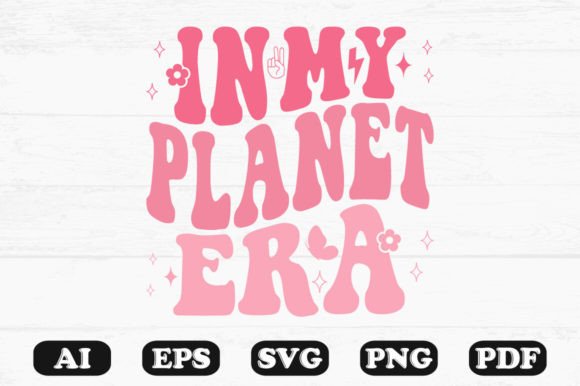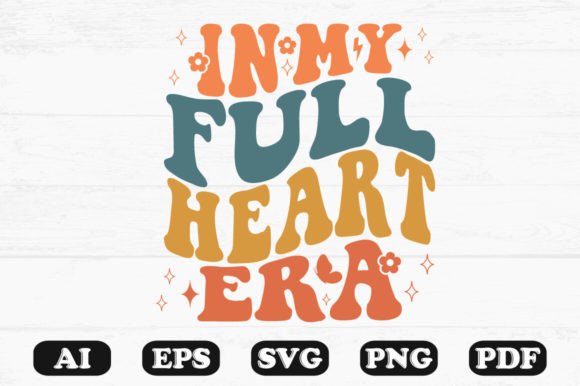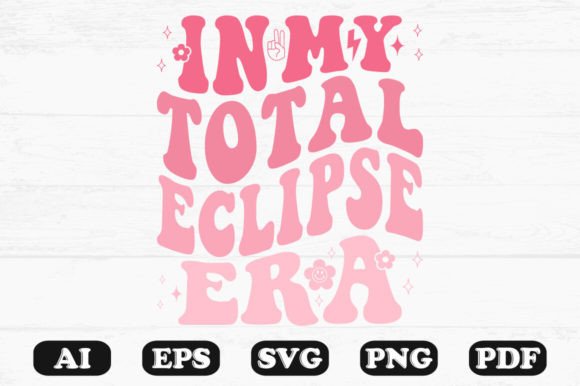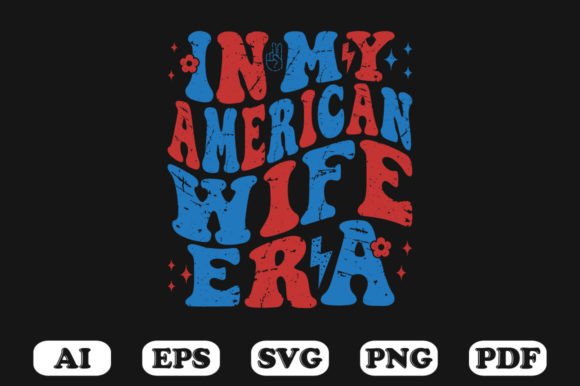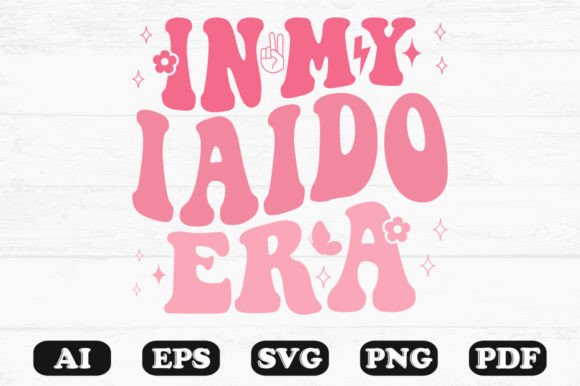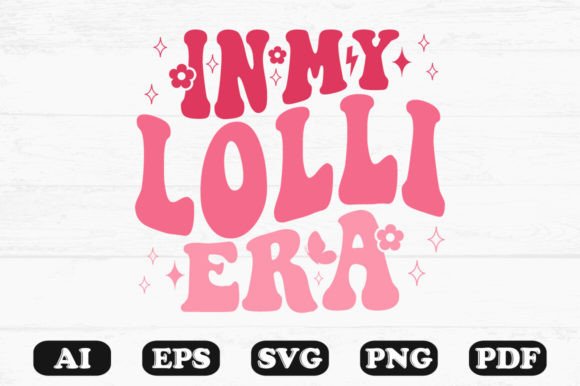
In My Loll Era Retro Wavy SVG Design Review
First Impressions and Design Personality
The In My Loll Era Retro Wavy SVG T-shirt design immediately gives off a nostalgic, vintage vibe that’s perfect for today’s retro-inspired craft trends. The wavy typography feels hand-drawn yet polished, with a subtle texture that adds character without overwhelming the eye. As an embroidery designer, I appreciate how the layout balances boldness with elegance—there's enough visual interest to make it stand out but not so much that it distracts from the message.Real-World Application: Custom Apparel Projects
For satin stitch work, especially on t-shirts or tote bags, the wavy lines hold up well. They give the design movement and softness, which is ideal for casual apparel. However, if you're planning to use this for a handmade product like a baby onesie or a holiday gift item, I recommend simplifying the stitch types slightly. Too many curves can create uneven tension on stretchy or thin cotton blends, leading to puckering. This design also lends itself nicely to embroidered patches, where the visual impact is more forgiving. On a patch, the waves can really shine without the same concerns about fabric stretch or distortion. That said, if your project involves multiple layers—like a layered tote bag or a pillow cover—you’ll want to test the design for how the shadows and depth might affect the final look.Aesthetic Versatility and Branding Potential
What I love most about this machine embroidery design is its versatility. It can fit into a wide range of aesthetics depending on how you apply it. A craft business owner could pair it with distressed denim for a vintage look, while an Etsy seller might use it on organic cotton tees to highlight a minimalist brand identity. It’s particularly strong as a design asset for printable mockups and digital previews. The retro feel pairs well with muted tones and earthy palettes, but it can also pop against brighter backgrounds if the contrast is handled properly. Just keep in mind that the subtlety of the wavy strokes may require more thoughtful color selection compared to blockier designs.Design Performance in Different Embroidery Situations
When I tested the Retro Wavy SVG on a few different projects, I noticed some key takeaways:- Tote Bags: Works beautifully. The larger surface area allows the design to breathe and maintain clarity.
- Sweatshirts: The texture of the fabric can enhance the vintage look, but ensure you adjust stitch density for knit materials.
- Baby Clothes: The playful tone suits personalized gifts for kids, but consider resizing to avoid overwhelming smaller garments.
- Aprons & Tea Towels: Great for adding a fun touch to kitchen items. The design remains legible even after repeated washing.
- Holiday Gifts: Perfect for festive items with a throwback twist. Pair it with seasonal colors or metallic threads for extra charm.
- Pillow Covers & Blankets: Offers a decorative yet understated presence. Just be mindful of how the stitching interacts with seams or corners.
- Commercial Embroidery: Can be used effectively in small shop merchandise if consistent results are needed across multiple pieces.
Where Caution Is Needed
- Small Hoop Sizes: The intricate nature of the wavy script can become lost or distorted if the hoop size is too tight. I’d advise against using it for anything under 4 inches unless you’re okay with simplifying parts of the design.
- Textured Fabrics: While the design looks smooth on screen, it may appear less refined on linen or canvas due to the fabric’s natural grain.
- Curved Surfaces: Applying it to caps or curved surfaces will require adjusting the file for curvature. The waves may need to be flattened or reshaped to maintain legibility.
- Dense Stitch Areas: Some sections of the design have tighter curves that may require reduced stitch density to prevent stiffness or puckering.
- Frequent Washing: If you're making items like baby clothes or towels, always test the design for durability. High stitch density areas might wear faster over time.
Practical Tips for Using In My Loll Era Retro Wavy SVG
As someone who uses SVG files daily for custom apparel and handmade products, here are my top recommendations for working with this design:Test First: Always try the design on a scrap piece of your target fabric. This helps you see how the stitch types react and whether adjustments are necessary.
Check Thread Color Contrast: Especially if you're using light thread on dark fabric. The waves in the font might get swallowed by the background if not planned carefully.
Review Stitch Density: For best results, especially on stretchy or lightweight materials, reduce the stitch density slightly. This prevents puckering and maintains the design’s integrity.
Confirm Hoop Size: Make sure your hoop can accommodate the full design without forcing it into a smaller space. Distortion can ruin the nostalgic appeal.
Inspect Small Details: The subtle nuances in the wave patterns can either elevate or detract from the overall look. Zoom in and check for any potential stitch issues before production.
Use Proper Stabilizer: Especially for delicate fabrics. A tear-away or cut-away stabilizer can help keep the design flat and prevent shifting during stitching.
Consider Licensing: If you plan to sell finished products or digital files based on this design, double-check the licensing terms. Not all SVG bundles allow commercial use without restrictions.