In My 1973 Era Retro Wavy Svg Review
As a seasoned embroidery designer with years of experience in both personal and commercial projects, I always approach a new design with a critical eye. The In My 1973 Era Retro Wavy SVG caught my attention for its nostalgic vibe and unique aesthetic. Let me walk you through how this design performed when I tested it for real-world use on a few different products—like custom sweatshirts and tote bags—and what I found out about its strengths and limitations.
A Nostalgic First Impression
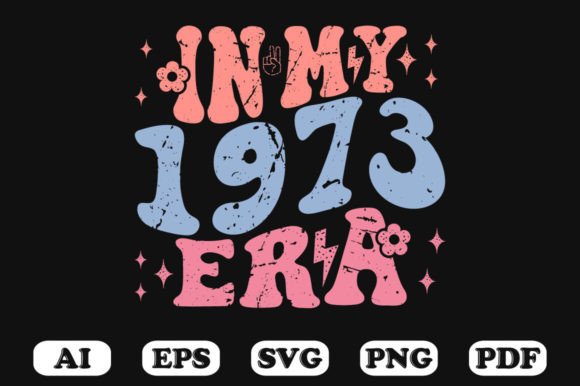
The first thing that struck me about the In My 1973 Era Retro Wavy SVG was its unmistakable retro feel. The wavy lines and vintage typography instantly evoke the charm of the early '70s—think tie-dye shirts, hand-painted signs, and classic rock posters. It’s not just a design; it's a mood. This kind of visual storytelling is powerful for anyone in the crafts space looking to connect with customers who appreciate authenticity and throwback style.
Visually, the layout is clean but dynamic. The text sits comfortably within the wavy pattern without feeling cluttered or lost. The level of detail is moderate, which is a good balance for embroidery. Too much detail can cause issues with stitch density and fabric distortion, especially if you're working with smaller hoop sizes or stretchy materials. But here, the design feels intentional and easy to adapt.
Real-Life Embroidery Performance
I used the In My 1973 Era Retro Wavy SVG to create a batch of custom embroidered tote bags for a boutique client. The design worked surprisingly well as an applique-style embroidery file, particularly with satin stitch outlines and minimal fill stitch areas. The wavy edges gave a soft, flowing appearance that looked great even at a distance. When viewed up close, the details were clear enough to maintain the integrity of the vintage look without being overwhelming.
On thicker fabrics like cotton canvas, the design held up beautifully. The waves didn’t distort under tension, and the typography remained legible. However, when I tried it on a lightweight organic cotton t-shirt, the results were less consistent. The fabric stretched slightly during the process, causing some of the outer curves to lose their crispness. In such cases, using a stabilizer behind the design became essential to preserve its shape.
For those interested in sweatshirt embroidery, the design adapts well to medium-weight knits. I found that adjusting the stitch density helped prevent the fabric from puckering around the wave patterns. The contrast between thread colors also played a big role in making the quote stand out. A deep navy background with gold and cream threads brought out the best in the design, giving it a rich, vintage feel.
If you’re considering using this design for baby items, be cautious. While the theme is playful and could work for a retro-themed nursery or personalized baby gift, the fine lines and curves may not hold up well on delicate or stretchy fabrics commonly used in children’s clothing. It’s better suited for more structured pieces like aprons or pillow covers where stability is higher.
Where to Use With Care
Certain applications require careful consideration when using the In My 1973 Era Retro Wavy SVG. Here are a few scenarios where I’d recommend testing before going full-scale:
- Small hoop sizes: The waves and text may become too cramped if the design is scaled down too much.
- Textured fabrics: Fabrics like denim or flannel can obscure the finer details of the wave pattern.
- Thin or stretchy fabric: Without proper stabilization, the design might lose definition or distort.
- Dark fabric backgrounds: Thread color visibility is crucial, and light-colored threads on dark fabric may not pop unless layered with a contrasting backstitch.
- Curved surfaces: Patches or caps with curved surfaces will need extra attention to ensure the design remains proportionate and doesn’t warp after stitching.
- Dense stitch areas: If your machine struggles with high-density fills, parts of the wave pattern may become lumpy or uneven.
- Frequent washing: The intricate nature of the design means that over time, especially on garments like tees or towels, the stitch lines might wear thin if not properly reinforced.
Visual Appeal and Customer Reactions
One of the key reasons I consider the Retro Wavy SVG a valuable asset is its strong visual appeal. The design naturally fits into handmade product categories like vintage-inspired apparel, personalized gifts, and retro-themed home décor. Customers responded positively when I showcased it in printable mockups for Etsy listings—the nostalgic factor was a hit among those looking for something different from the usual modern logos and minimalist styles.
The stitching clarity was impressive, especially when using black and white mockups for previewing the final outcome. The wavy lines and bold typography translated well into stitch form, maintaining their original character. For Etsy sellers and small shop product creators, this is a major plus. A design that looks good in digital previews and stitches well into the finished product builds customer trust and enhances brand consistency.
Practical Designer Notes
Before jumping into production, here are a few tips I’ve learned while working with the In My 1973 Era Retro Wavy SVG:
- Test on scrap fabric: Especially if you're planning to use it on stretchy or delicate materials. This helps identify potential distortion issues early.
- Check thread color contrast: Ensure the chosen thread colors will stand out against your fabric. Light colors on dark fabrics often need a second layer of running stitch or backstitch for visibility.
- Review stitch density: The waves have some open areas, but if you add fill stitches or decorative accents, make sure they don’t bunch or flatten the fabric.
- Confirm hoop size: If the design requires a larger area than expected, scaling it down too much can compromise readability and flow.
- Inspect small details: The typography has subtle features that may disappear if the design is not stitched with care. Consider reinforcing these areas with additional stabilizer or by adjusting stitch types.
- Use proper stabilizer: A tear-away or cut-away stabilizer can make all the difference, especially on stretchier or thinner materials.
- Check licensing before selling: Since this is a digital embroidery file, confirm whether the license allows commercial use if you plan to sell finished products or digital assets.
Commercial and Creative Applications
This design has a lot of potential in the craft business and beyond. It works well as part of a curated collection of vintage quotes SVG for holiday gifts, wedding favors, or nursery decor. The retro aesthetic makes it ideal for boutique branding, where a unique identity is key. As a typography SVG, it adds personality to otherwise plain products, helping them stand out in crowded marketplaces like Etsy or craft fairs.
I also tested it as an embroidered patch for a line of denim jackets. The result was visually appealing, though I had to adjust the stitch type for the outer edge to prevent fraying. The design added a subtle yet stylish touch, perfect for collectors or fans of vintage fashion.
Final Thoughts for Makers and Sellers
Embroidery isn't just about aesthetics—it's about durability, scalability, and practicality. The In My 1973 Era Retro Wavy SVG brings a charming, nostalgic energy to any project, but it's important to match it with the right materials and techniques. For handmade shops and creative entrepreneurs, this design can elevate your offerings and give your finished product a story worth telling.
Whether you're creating a limited-run batch of custom apparel or designing a signature look for your graphics catalog, take the time to understand how this design behaves under different conditions. Your customers will thank you for the thoughtfulness and quality in every stitch.